Hi, I'm Adam. I co-founded the beverage technology company, Sidework, and have spent the last 7 years turning it into a real product.
Let's TalkThree skills I bring to the team.
From first prototype to enterprise scale. I've taken a product from concept through four generations, iterating on every failure until it worked at scale.
I don't design from a desk. I install, troubleshoot, and watch people use the product firsthand, then rebuild what doesn't work.
I make product decisions with the P&L in mind. What it costs to build, ship, and support matters as much as what it does. I've managed that tradeoff across four product generations.
The metrics that matter most.
Release cycles, review gates, testing protocols. If it didn't exist, I built it.
That's the overview. Here's the full story
I get my hands dirty to make things people actually care about.
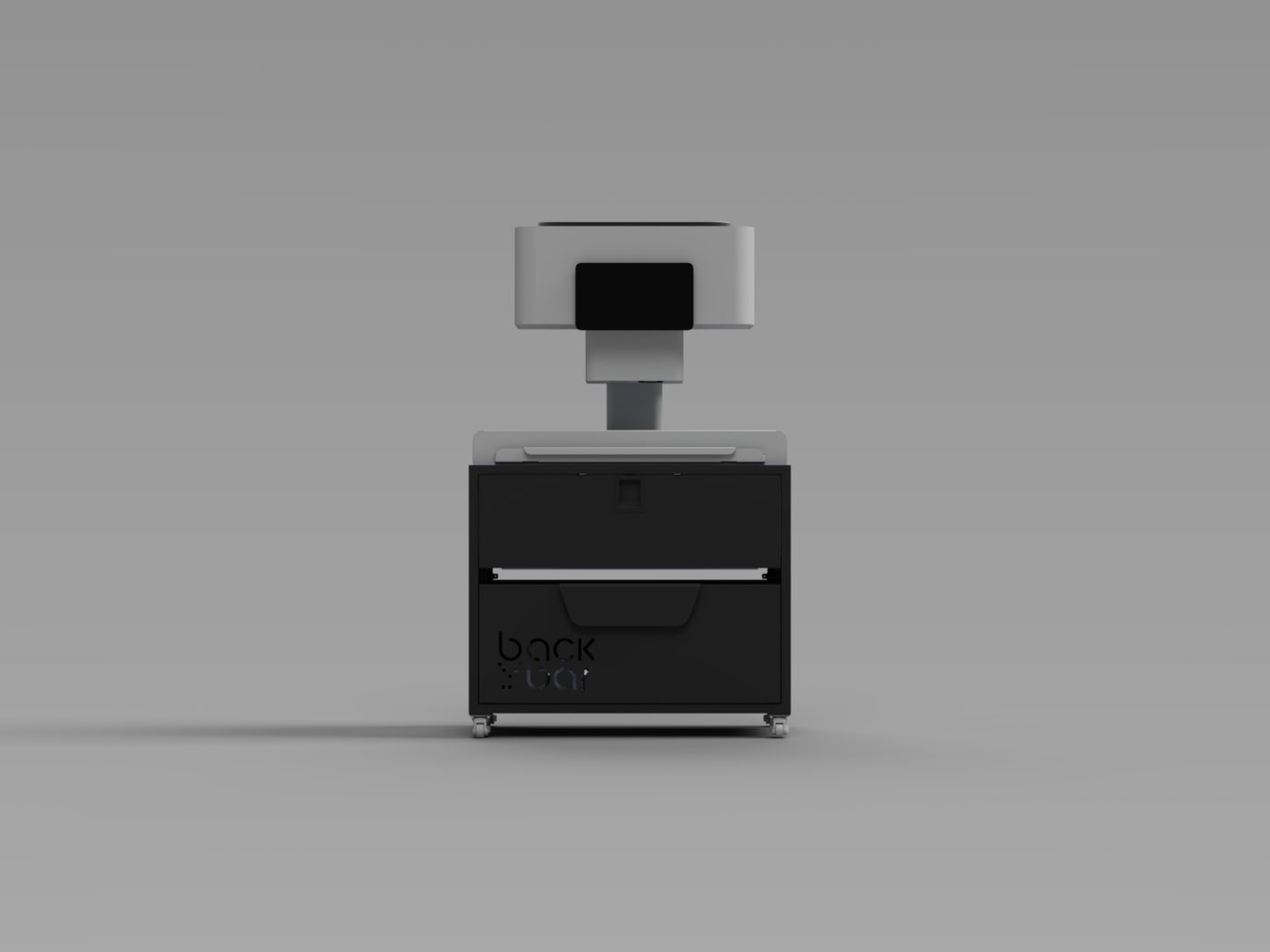
Four hardware generations at Sidework. Each one represents a different chapter of my development, from sole designer, to team lead, to head of product.
With zero ME experience, I designed the entire mechanical system: every fluidics path, every mechanism, every assembly. 9 months at HAX in Shenzhen learning CAD, working with factories, and prototyping until it worked. It had reliability issues, but it proved the market was real and secured our initial funding.
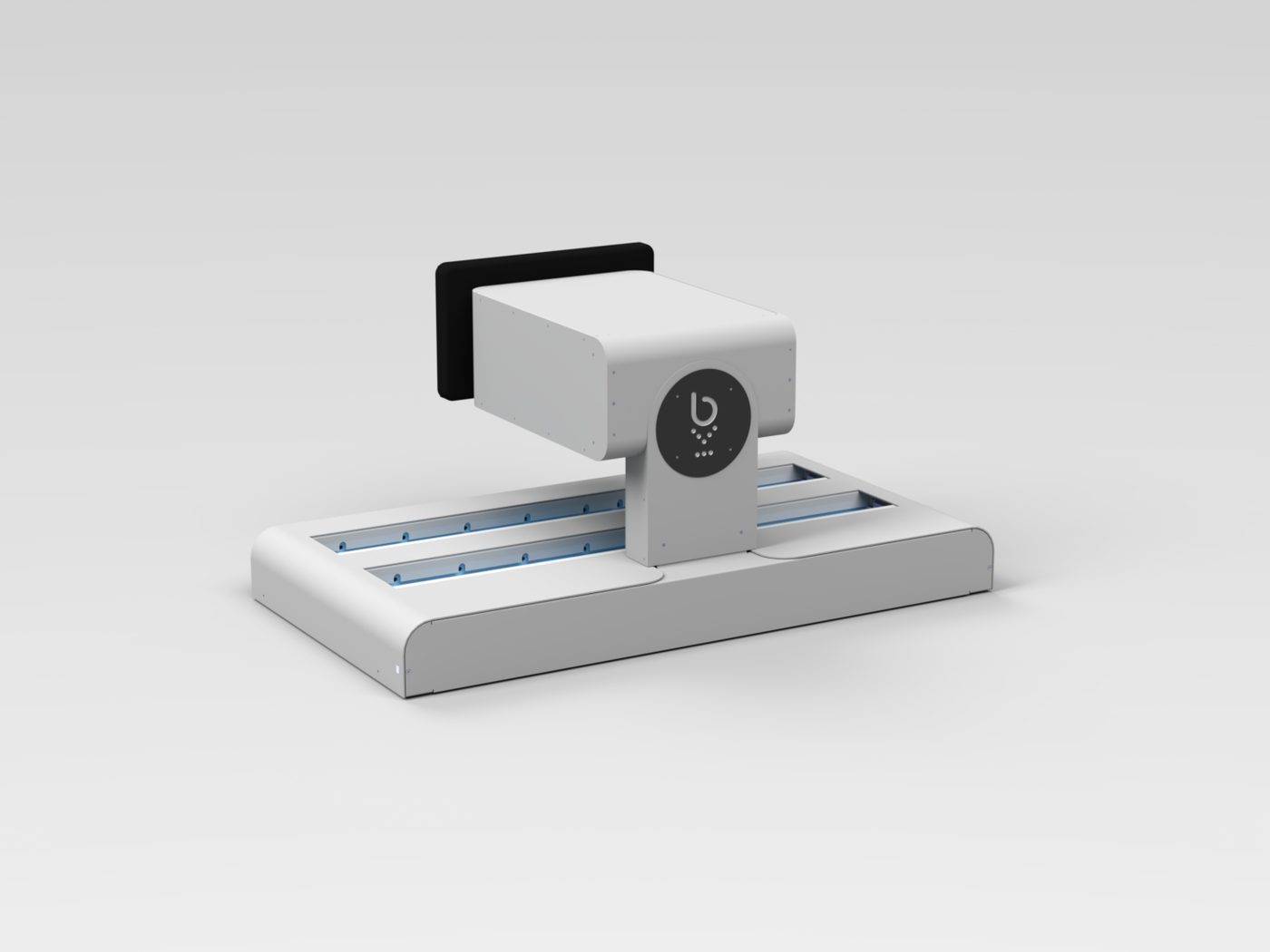
Now managing 3 engineers, I leveraged the team to simplify the Deluxe architecture by removing the ice dispenser and making dozens of reliability upgrades. I established engineering review gates and DFM processes. More importantly, I learned that the best products don't try to do everything. They do fewer things and do them well.
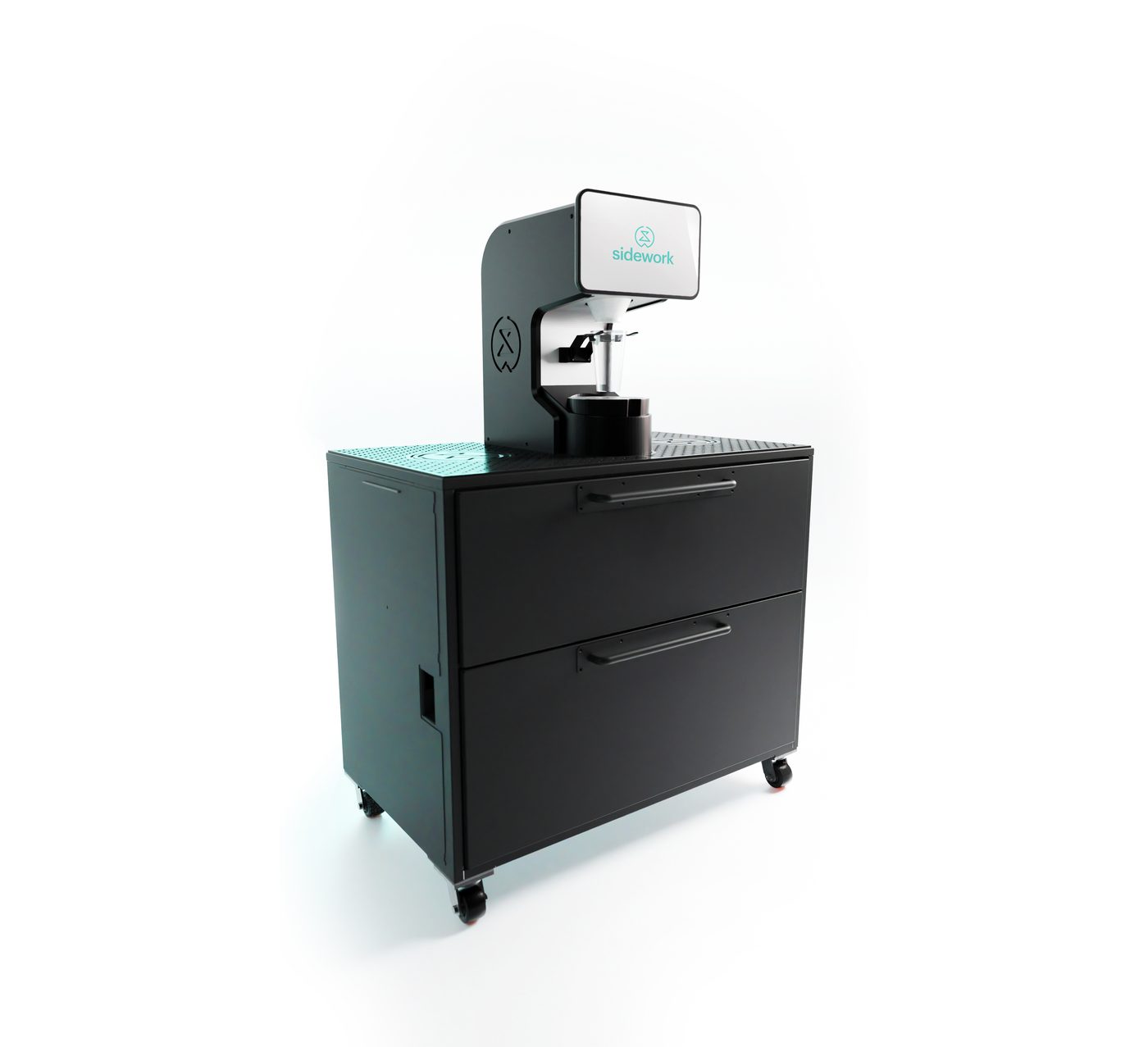
When coffee shops came calling, I led a ground-up redesign: 9 direct reports across mechanical, software, and electrical, $1.5M budget, and a far more sophisticated product. I built the process from scratch, pushed the dispenser through NSF certification, and presented company-wide monthly on how we tracked against KPIs. 134 units deployed. 1M+ drinks dispensed. 99.9% uptime.
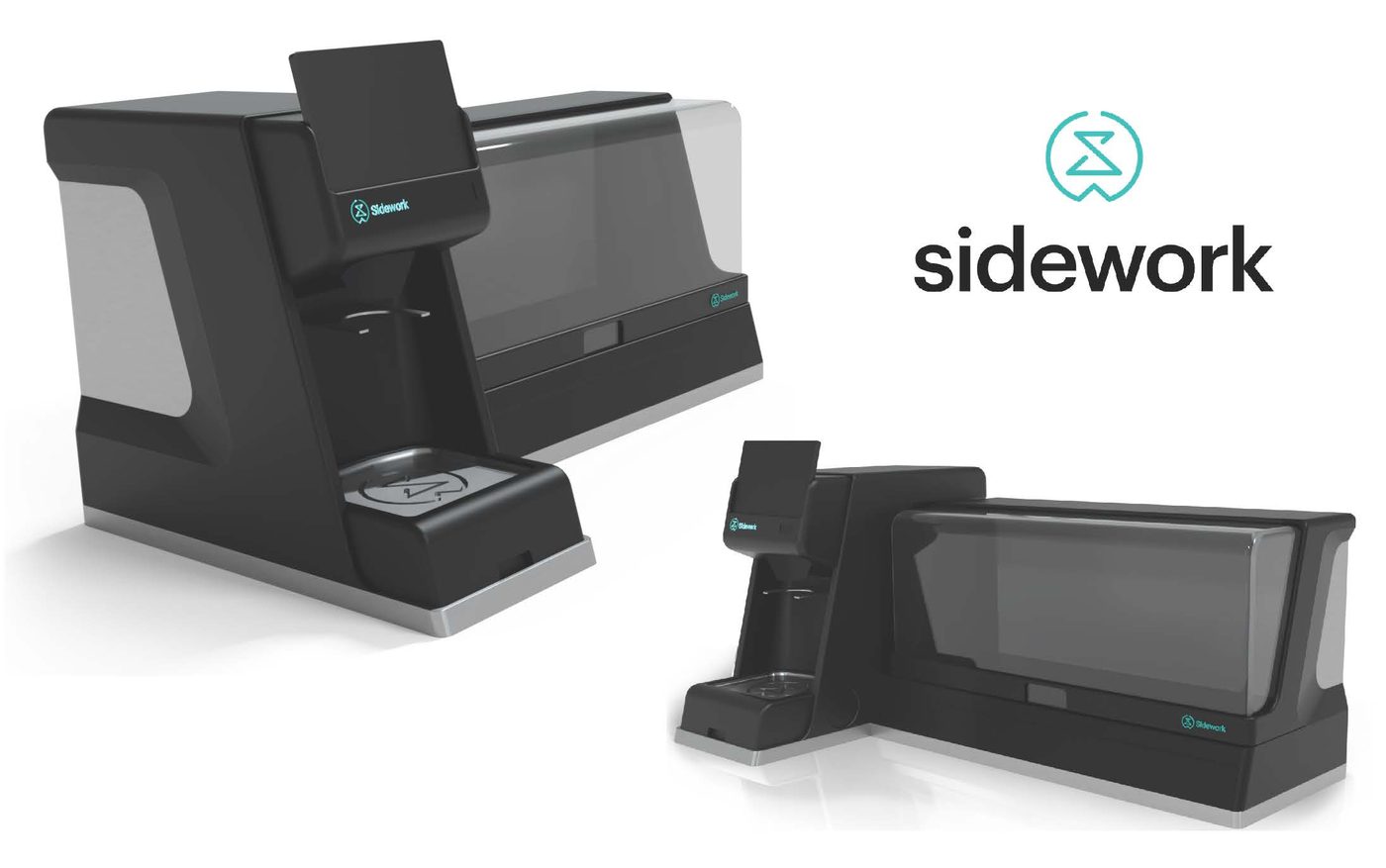
Everything I learned across four generations lives in Gen 3, designed from the ground up for mass-market adoption. The failures taught me what to simplify, the field taught me what matters, and the result is the most focused product I've ever designed.
The building blocks I'd bring, and how they map to what product organizations actually need.
Led a 9-person cross-functional team spanning mechanical, software, and electrical engineering. I built the product development process that aligned engineering, accelerated releases, and dramatically reduced release-related bugs.
I can run the whole team. I've aligned engineers across disciplines, created processes that keep things moving without falling apart, and shipped coordinated releases where everything works together on day one.
Drove BOM cost from $12K to $6.5K (46%) and assembly cost from $5K to $550 (89%) across 3,000+ parts from ~60 vendors in US, China, and Mexico.
Unit economics discipline. I think in terms of what it costs to build, ship, and support, not just what to build. Product decisions that ignore economics don't survive contact with reality.
Built the product behind a $15M raise at a $40M valuation. Translated technical progress into investor narratives, ran product demos for enterprise buyers, and shaped the roadmap that led to pilots with Coke, Pepsi, Swig, AMC, Inspire Brands, and Dutch Bros.
Stakeholder communication. I know how to translate technical complexity into language that resonates, whether the audience is a customer, manager, or investor.
Pushed the Gen 2 dispenser through NSF certification, navigating testing requirements, design constraints, and compliance documentation to get a commercial beverage system approved for nationwide deployment.
I know how to work within regulatory constraints. I've been through the process and can keep compliance moving without letting it stall the roadmap.
Co-founded Pumpt while running Sidework. Concept to manufacturing in under 12 months. Designed the product, built the supply chain, landed Burger King Canada. Patent pending.
0-to-1 velocity. When there's a new opportunity, I have a bias for action. I scope it, build it, and ship it. Fast enough that the market validates before the budget runs out.
These aren't aspirational principles. They're how I've actually worked for 7 years.
No one has the full picture on day one. These are the gaps I'd close first.
I built my processes from scratch, not from textbooks. I'd want to learn established frameworks like RICE, opportunity scoring, and formal discovery methods. My plan: Study the frameworks, then stress-test them against my real-world experience.
I've operated in a 27-person startup where I could walk to anyone's desk. Navigating a larger organization with more stakeholders and longer decision chains is newer territory. My plan: Listen first. Map the stakeholder landscape.
My products have been built for specific commercial environments like bars, restaurants, and theaters. Designing for a broader consumer audience with diverse use cases and expectations is a different challenge. My plan: Study how the best consumer products scale simplicity across millions of users.
At Sidework I used Metabase and field observations. I haven't worked with enterprise-scale product analytics or run formal A/B tests at volume. My plan: Same approach as everything else: total immersion, fast practice.